Before You Open the Doors: 7 Non-Negotiable Steps to Launch Your Brand the Right Way
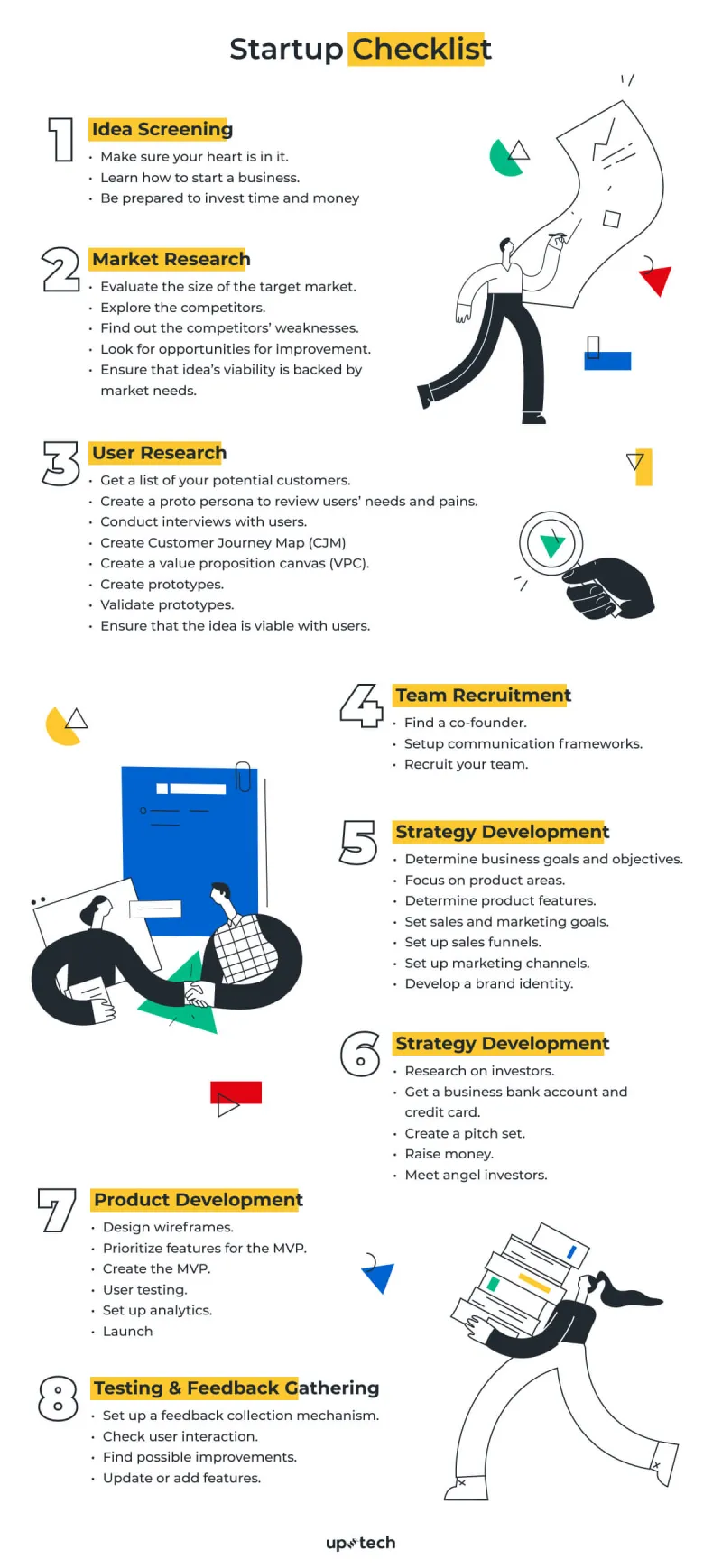
Photo: entrepreneur checklist startup planning desk paperwork, via assets-global.website-files.com
Here's a truth most startup content won't tell you: the product is rarely what sinks a new brand. It's the stuff nobody talks about at pitch competitions — the paperwork, the bank accounts, the operating agreements nobody reads until there's a dispute. First-time founders pour everything into the idea and the offer, then scramble when the unglamorous infrastructure isn't in place.
At MyFirstBrand, we're all about launching bold — but bold doesn't mean reckless. It means being so prepared that when your launch day arrives, you're free to focus entirely on your customers. That's what this checklist is for.
Work through these seven steps before you announce anything to the world.
1. Lock In Your Business Structure (It's More Than a Formality)
Choosing between a sole proprietorship, LLC, or S-Corp isn't just a tax decision — it's a liability decision. For most first-time founders in the US, a single-member LLC is the sweet spot: relatively easy to form, affordable to maintain, and it creates a legal wall between your personal assets and your business debts.
Filing varies by state. In California, you're looking at an $800 annual franchise tax minimum. In Wyoming or Delaware, costs are significantly lower, which is why many founders form there even if they operate elsewhere. Spend an hour with a business attorney or a reputable online legal service like LegalZoom or Northwest Registered Agent before you decide. This is not the step to DIY based on a Reddit thread.
2. Separate Your Money — Immediately
Opening a dedicated business checking account sounds obvious, but you'd be surprised how many early-stage founders run everything through their personal accounts for the first few months. That mistake creates a bookkeeping nightmare and, worse, can pierce the liability protection your LLC is supposed to give you.
Once your EIN (Employer Identification Number) is issued by the IRS — a free process that takes about five minutes online — open a business bank account. Mercury, Relay, and Bluevine are popular choices for startups because they have no monthly fees and clean integrations with accounting software. Get a separate business credit card too. Building business credit from day one is a quiet advantage most new founders ignore.
3. Trademark Your Brand Name (Before Someone Else Does)
You've named your brand, registered the domain, and set up your Instagram handle. That does not protect your name. Trademark protection is a separate process through the US Patent and Trademark Office (USPTO), and it's the only thing that gives you real legal standing if someone tries to use your brand identity down the road.
A basic trademark application runs $250–$350 per class of goods or services. It takes months to process, which is exactly why you file early. While you're waiting, do a thorough search on the USPTO's TESS database to make sure you're not walking into someone else's existing mark.
4. Get Your Contracts in Order
If you're working with a co-founder, a contractor, a manufacturer, or even a friend helping with your website — you need a written agreement. Handshake deals feel fine until they don't. A co-founder agreement should spell out equity splits, vesting schedules, roles, and what happens if someone leaves. A contractor agreement should address ownership of any work product created for your brand.
These documents don't need to be intimidating. Sites like Clerky and Stripe Atlas provide solid templates. For anything involving significant equity or intellectual property, a one-time consultation with a startup attorney is worth every dollar.
5. Set Up Basic Accounting and Tax Tracking From Day Zero
The IRS doesn't care that you just launched. Every dollar in and every dollar out matters from your very first transaction. Setting up QuickBooks, Wave, or FreshBooks before you make a single sale means you're not reconstructing six months of expenses from memory at tax time.
Also, figure out your sales tax obligations early. If you're selling physical products, you likely have nexus requirements in your home state at minimum. With the post-South Dakota v. Wayfair landscape, economic nexus rules mean you could owe sales tax in states where you've never set foot if you hit certain revenue thresholds. A CPA who works with small businesses can walk you through this for far less than the penalties for getting it wrong.
6. Build Your Pre-Launch Audience Before You Have Anything to Sell
This step doesn't have a government form attached to it, but it might be the most commercially valuable item on this list. Launching to an empty room is demoralizing and unnecessary. Start building an email list, a social following, or both at least 30 to 60 days before your official launch.
Share the story behind the brand. Give people a reason to care before you ask them to buy. A simple landing page with a waitlist sign-up, a few behind-the-scenes posts, and a clear "coming soon" message can generate meaningful early momentum. Founders who do this tend to have their first sales within hours of going live. Founders who skip it often wonder why nobody showed up.
7. Define What a Successful First 90 Days Actually Looks Like
Launching without metrics is like driving without a destination. Before you go live, write down your 90-day targets: revenue, units sold, email subscribers, return customer rate, whatever matters most for your specific model. Be honest about what's realistic given your current audience size and marketing budget.
These numbers aren't just motivational — they're diagnostic. If you're hitting your targets, you double down. If you're missing them, you know exactly where to investigate. Founders who skip this step tend to either over-celebrate mediocre results or panic unnecessarily. Clarity is the antidote to both.
Launching your first brand is one of the most exciting things you'll ever do. These seven steps won't make it less exciting — they'll make it sustainable. The founders who build something lasting aren't the ones who moved the fastest on day one. They're the ones who built a solid floor before they started stacking walls.
Get the foundation right. Then go bold.